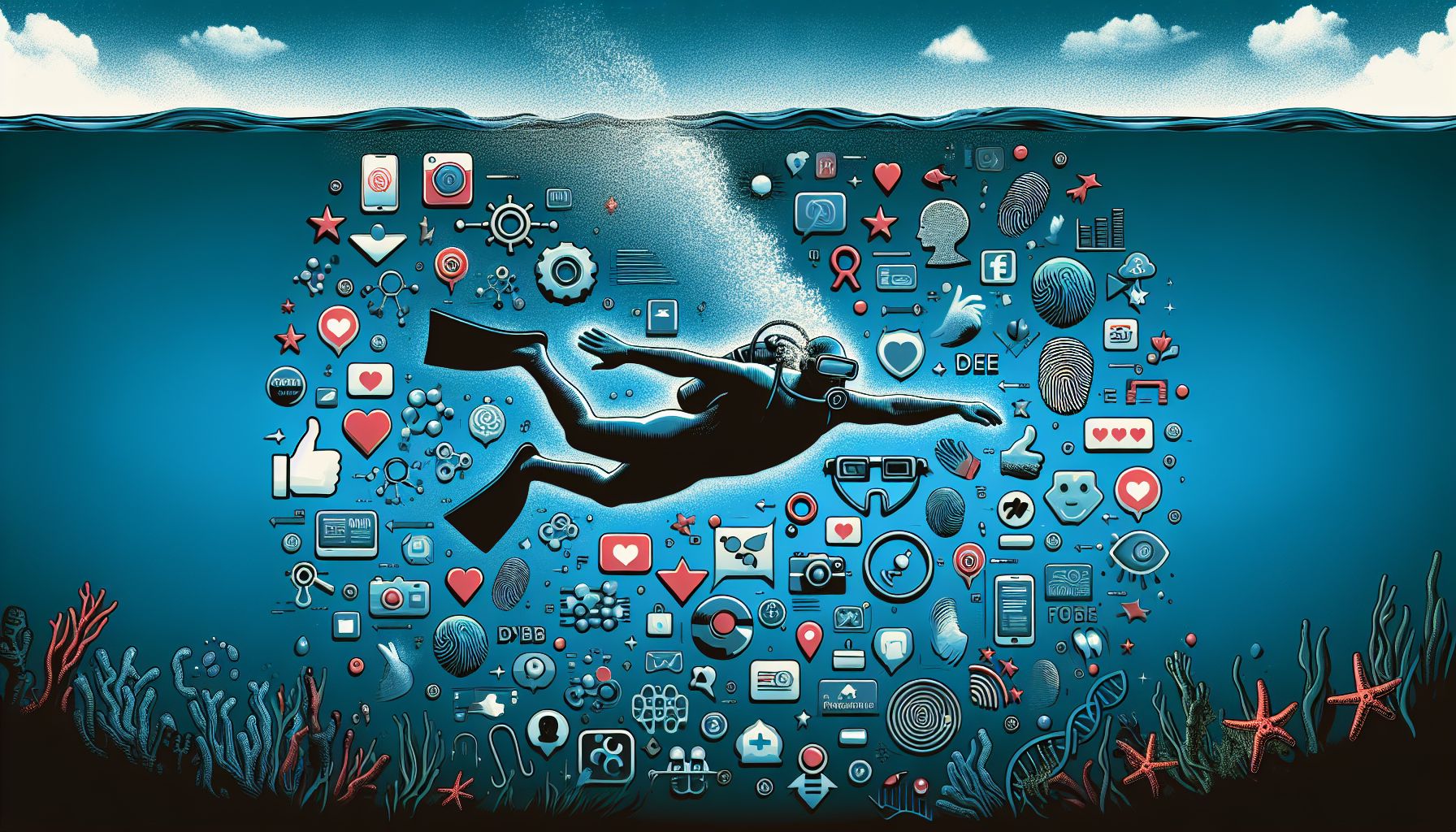
In the vast ocean of digital marketing, incorporating effective strategies for branding and identity, while managing your online reputation, is increasingly becoming essential. The longevity of a business largely depends on how it is perceived by its target audience. This is where the concepts of branding, social media marketing, and online reputation management come into play.
Making a Mark with Branding and Identity
Branding revolves around creating a unique image and name for your product or service in the consumer’s mind. A strong, consistent brand can drive customer loyalty and put you ahead of competition. A crucial aspect of this branding is your “identity.” From your logo, to your website’s visual aesthetics, everything should resonate with what your brand stands for.
Employing Social Media and Content Marketing
Social media marketing and content marketing are two powerful tools in the branding process. Social media marketing helps you cultivate a community and interact with your audience. Content marketing, on the other hand, enables you to showcase your expertise, providing value to your audience, fostering trust, and ultimately driving conversions.
The Importance of Online Reputation Management
In this digital age, your online reputation can make or break your business. Negative reviews, inaccurate information, or an unfortunate incident can tarnish a company’s reputation within minutes. Hence, managing this reputation diligently is a must.
Online Reputation Management (ORM) involves monitoring, addressing, or mitigating SERPs (search engine result pages) or mentions in online media and web content. A strong ORM strategy helps businesses put out the fires before they tarnish the brand image.
Wrapping It Up
In essence, effective digital marketing strategies should revolve around establishing a strong brand identity, executing impactful social media and content marketing, and diligent online reputation management. Armed with these strategies, businesses can influence perceptions, earn trust, and cultivate loyal relationships with their audience. Only then will the business be able to navigate successfully, both today and in the future, in the ever-evolving world of digital marketing.